
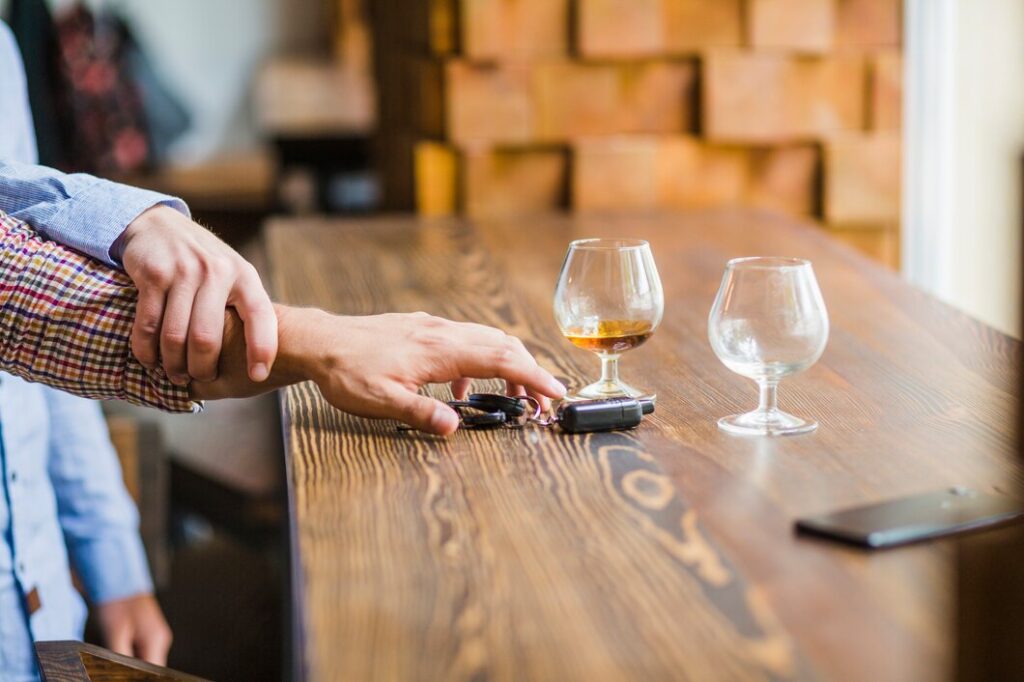
Running a business that manufactures, sells, or serves alcohol comes with distinct financial risks. Whether you operate a neighborhood bar, a high volume restaurant, or a retail shop, you face potential liabilities that standard business policies do not cover. A comprehensive liquor insurance package is designed to address these specific exposures, combining multiple policies to create a complete safety net for your operations. When evaluating your options, working with a knowledgeable provider like Paul Diaz Insurance Agency ensures you understand the nuances of your policy. This guide explains what a typical package includes and how to determine the right coverage limits for your establishment.
Understanding the Basics of a Liquor Insurance Package
A standard business owners policy provides essential coverage but typically excludes claims related to the sale or distribution of alcoholic beverages. A specialized liquor insurance package bridges this gap. It groups together commercial property, general liability, and specialized alcohol related liability policies into one cohesive bundle.
When you sell or serve alcohol, your responsibility extends beyond the walls of your establishment. If a customer consumes alcohol at your venue and subsequently causes an accident or injury, your business could be held legally responsible under state dram shop laws. A properly structured package protects your physical assets and defends you against these devastating financial claims.
Core Components of Liquor Store Insurance
To build a foundation of protection, your package must include several fundamental coverages. These components work together to address both physical risks and liability exposures.
General Liability Insurance
General liability covers common risks that any business faces. If a customer slips on a wet floor in your shop or a display falls and damages a patron’s property, this coverage pays for medical expenses and legal defense. While essential, it does not cover alcohol related incidents, which is why additional policies are required. Finding the right liquor store insurance begins with a solid general liability foundation.
Commercial Property Insurance
Your physical assets, including your building, inventory, shelving, and refrigeration equipment, represent a significant financial investment. Commercial property insurance covers the cost of repairing or replacing these items if they are damaged by fire, theft, vandalism, or severe weather. For businesses with high value inventory, ensuring your property limits accurately reflect the cost of your stock is vital to maintaining operational continuity.
Business Interruption Insurance
If a covered event forces you to close temporarily, business interruption insurance replaces your lost income. This coverage helps you pay ongoing expenses like rent, payroll, and utility bills while your business is being repaired. This is a critical addition to your package, as a prolonged closure can quickly deplete your cash reserves and force a permanent shutdown.
Alcohol Insurance Coverage: Why Liability Matters
The most critical distinction between a standard retail policy and one designed for alcohol sales is the liability component. Liability coverage addresses your legal obligation to third parties who suffer damages related to your business operations.
Liquor Liability Coverage Explained
Under state dram shop laws, businesses that sell or serve alcohol can be held liable for the actions of intoxicated patrons. liquor liability coverage specifically addresses claims arising from these situations. If an intoxicated customer leaves your establishment and causes a car accident, the injured party may sue your business for medical bills and property damage. This coverage pays for your legal defense and any settlements or judgments, up to your policy limits. Securing adequate alcohol insurance coverage is not just a regulatory requirement in many jurisdictions, it is a fundamental step in protecting your financial future.
Assault and Battery Coverage
Bars and nightlife venues often face risks associated with physical altercations. Standard general liability policies usually exclude claims involving fights or assaults. Assault and battery coverage extends your protection to include claims arising from physical altercations on your premises, even if your security staff is involved in the incident.
Specialized Considerations for Los Angeles Businesses
Location significantly impacts your insurance requirements. Operating in a densely populated urban environment presents different risks compared to a quiet suburban setting. Southern California businesses must adhere to specific state regulations and face unique liability exposures.
Local Regulations and Compliance
California state law holds alcohol servers and sellers to strict standards. The Department of Alcoholic Beverage Control enforces regulations that dictate how alcohol can be sold and served. Failing to comply with these regulations can result in fines, license suspension, or complete closure. Your insurance package must align with these local mandates to ensure you remain compliant while maintaining proper financial protection.
Finding the Right Policy in Southern California
Securing specialized liquor liability insurance los angeles requires an understanding of the local market. High foot traffic, late operating hours, and specific neighborhood ordinances can all influence your risk profile. When evaluating providers, look for those who offer comprehensive liquor store insurance los angeles programs tailored to the unique demands of California businesses.
Comparing Coverage Options
Understanding what each part of your policy covers helps you make informed decisions about your risk management strategy. The table below outlines the primary coverage types included in a standard package.
| Coverage Type | What It Protects Against | Who Needs It Most |
|---|---|---|
| General Liability | Slip and fall injuries, property damage to third parties | All businesses |
| Commercial Property | Physical damage to building, inventory, and equipment | Businesses with physical locations and high inventory |
| Liquor Liability | Damages or injuries caused by intoxicated patrons | Bars, restaurants, liquor stores, and event venues |
| Assault and Battery | Claims arising from physical fights or altercations | Bars, nightclubs, and venues with on site consumption |
| Business Interruption | Lost income during temporary closure after a covered loss | All businesses relying on continuous physical operations |
How to Determine the Right Coverage Limits
Selecting the appropriate coverage limits requires a thorough assessment of your specific operations. A one size fits all approach leaves businesses vulnerable to gaps in protection.
Assessing Your Business Risk
Evaluate the daily operations of your establishment. Consider factors such as the volume of alcohol sold or served daily, whether customers consume alcohol on the premises or take it to go, the presence of security staff and surveillance systems, and the total value of your inventory and physical assets. A high volume nightclub with a full bar will require significantly different coverage limits than a small retail shop that only sells sealed bottles for off site consumption.
Evaluating Vendor Requirements
If you operate within a larger commercial space, your landlord or property management company likely requires specific insurance limits. Additionally, if you distribute alcohol from major breweries or distributors, they may mandate minimum liability limits in your vendor agreement. Review all contracts carefully to ensure your policy meets these contractual obligations.
Factors That Influence Insurance Premiums
Insurance providers calculate your premium based on the level of risk your business presents. Understanding these factors can help you anticipate costs and find ways to reduce your premiums.
- Type of Establishment: A quiet wine tasting room will generally have lower premiums than a loud, late night dance club.
- Sales Volume: Higher alcohol sales typically correlate with higher premiums, as increased sales mean a higher statistical likelihood of an incident.
- Operating Hours: Staying open late into the night increases the risk of incidents, which can raise your premium.
- Security Measures: Having trained security staff, ID scanners, and comprehensive surveillance systems can help lower your insurance costs by mitigating risk.
- Claims History: A business with a history of frequent insurance claims will face higher premiums than a business with a clean operational record.
Steps to Secure Your Liquor Insurance Package
Building the right insurance program takes time and careful consideration. Follow these steps to ensure your business is properly protected.
First, audit your current policies to identify exclusions related to alcohol sales. Many business owners assume their general liability policy covers everything, only to discover the alcohol exclusion when a claim is filed.
Second, inventory your physical assets to determine accurate property coverage limits. Include the cost of your building, inventory, equipment, and fixtures.
Third, calculate your potential liability exposure based on your sales volume and customer behavior. This will guide you in selecting the right liquor store insurance limits for your specific operations.
Finally, review your options with a licensed professional who understands the nuances of alcohol insurance coverage. An experienced agent can identify risks you may have overlooked and structure a package that provides comprehensive protection without unnecessary overlap.
Conclusion
Protecting your business from the unique risks associated with alcohol sales requires a specialized approach. A standard policy is insufficient for the complexities of dram shop laws and high volume retail operations. By assembling a comprehensive liquor insurance package, you secure your financial future and ensure your establishment can weather unexpected claims. To find the right coverage for your specific operations, contact us to speak with an experienced insurance professional today.
Frequently Asked Questions
What is a liquor insurance package?
A liquor insurance package combines commercial property, general liability, and specialized liquor liability coverage into one cohesive policy. It is designed specifically for businesses that sell, serve, or distribute alcohol to ensure they are protected against unique industry risks.
Does general liability cover alcohol related incidents?
No, standard general liability policies contain a specific exclusion for incidents arising from the sale or service of alcohol. You must purchase separate liquor liability coverage to address claims involving intoxicated patrons.
How much liquor liability coverage do I need?
The amount of coverage you need depends on your business type, sales volume, and risk profile. A bar with heavy foot traffic will need higher limits than a small retail store. An insurance agent can help you calculate your specific requirements based on your operations.
Is liquor liability insurance legally required?
In many states, businesses that serve alcohol are required to carry liquor liability insurance to maintain their liquor license.