
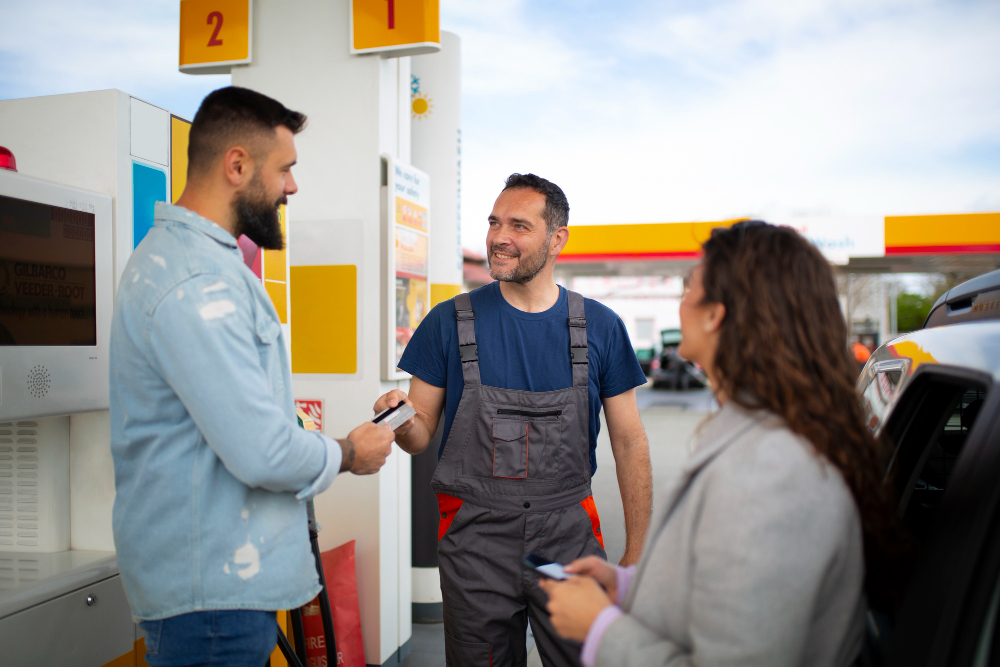
Operating a gas station or liquor store in Los Angeles involves unique risks that go beyond standard retail operations. These businesses deal with high customer traffic, regulated products, and potential liability exposures that require specialized insurance protection. Having the right coverage structure is essential not only for compliance but also for long-term business stability.
The Paul Diaz Insurance Agency provides guidance and insurance solutions tailored to businesses in high-risk sectors such as fuel retailing and alcohol sales. Understanding the right policies, including liquor-related liability protections and property coverage, helps business owners reduce financial exposure and operate with confidence.
This guide explains the key insurance requirements, coverage options, and risk management considerations for gas stations and liquor stores in Los Angeles.
Understanding Insurance Needs for High-Risk Retail Businesses
Gas stations and liquor stores fall under a category often considered higher risk due to the nature of products sold and the environment in which they operate. These businesses face risks such as customer injuries, theft, alcohol-related incidents, fire hazards, and regulatory penalties.
Insurance coverage for these industries typically includes multiple layers of protection:
- General liability coverage
- Property insurance
- Liquor-related liability protection
- Commercial auto coverage (for fuel transport or delivery operations)
- Workers’ compensation insurance
Each policy addresses a different exposure, and together they form a comprehensive risk management framework.
To better understand available insurance structures, business owners can review resources provided by the agency such as the overview on the official site: Paul Diaz Insurance Agency Overview
Liquor Liability Insurance for Liquor Stores in Los Angeles
One of the most critical coverages for liquor retailers is liquor liability insurance Los Angeles businesses rely on. This insurance protects store owners from claims related to the sale or distribution of alcohol.
Why liquor liability coverage is essential
Liquor-related claims can arise if a customer purchases alcohol and later causes injury or property damage. Even if the business followed all legal procedures, it may still face legal action.
Common risks include:
- Serving or selling alcohol to underage individuals (even unknowingly)
- Overserving customers in certain retail-adjacent operations
- Claims related to intoxicated customers causing accidents
- Legal defense costs associated with alcohol-related lawsuits
What liquor liability insurance covers
Liquor liability coverage typically includes:
- Legal defense expenses
- Settlement or judgment costs
- Claims related to bodily injury or property damage
- Medical expenses in certain cases
For businesses in California, understanding these risks is crucial because liability laws can be strict and often favor injured third parties.
More detailed policy information is available here: Liquor Liability Insurance Los Angeles
Liquor Store Insurance in Los Angeles: Core Protection Structure
Liquor store insurance Los Angeles business owners purchase is usually a bundled policy designed to cover multiple exposures in one plan.
Key components of liquor store insurance
- General Liability Insurance: Covers customer injuries inside the store, such as slips and falls.
- Property Insurance: Protects inventory, shelving, refrigeration units, and the building structure from fire, theft, or vandalism.
- Liquor Liability Insurance: Addresses alcohol-related claims and lawsuits.
- Theft and Crime Coverage: Helps protect against shoplifting and employee dishonesty.
- Business Interruption Insurance: Covers income loss during temporary closures due to covered events.
Liquor stores often operate with thin margins, so even a short disruption can lead to financial stress. Proper insurance ensures continuity and financial protection.
More information on coverage options can be found here: Liquor Liability Insurance Los Angeles Coverage
Insurance Solutions for Gas Stations in LA
Gas stations present a different set of risks compared to liquor stores. In addition to retail operations, they handle flammable fuels, vehicle traffic, and sometimes food service operations.
Key risks for gas station owners
- Fire and explosion hazards from fuel storage
- Environmental pollution risks (fuel leaks or spills)
- Customer accidents at fueling stations
- Equipment breakdown of pumps or systems
- Theft and vandalism during overnight hours
Essential coverage types
Gas station insurance generally includes:
- Commercial property insurance for station structures and equipment
- General liability insurance for customer injuries
- Environmental liability coverage for fuel-related contamination
- Equipment breakdown insurance for pumps and refrigeration systems
- Workers’ compensation for employee injuries
Proper structuring of insurance policies ensures that both physical assets and legal liabilities are covered.
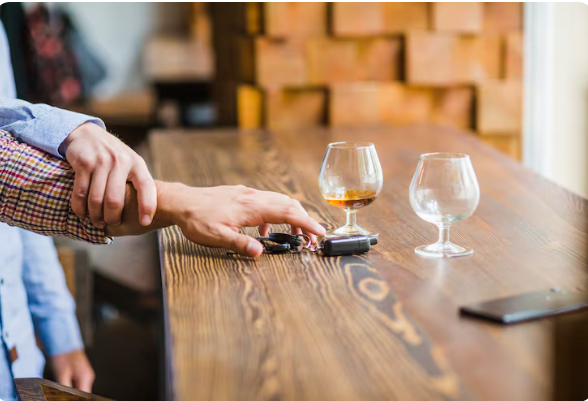
Alcohol Insurance Coverage and Legal Risk Management
Alcohol insurance coverage is not limited to liquor stores alone. It is also relevant for convenience stores, gas stations with alcohol sales, bars, and restaurants.
Why alcohol-related coverage matters
Even businesses that sell alcohol as a secondary product face legal exposure. If an alcohol-related incident occurs, the business may still be held partially responsible.
Key risk factors include:
- Misinterpretation of customer intoxication levels
- Lack of staff training in alcohol sale compliance
- Delivery or off-premises consumption issues
Risk reduction strategies
Insurance is only one part of risk management. Business owners should also:
- Train employees on alcohol sales regulations
- Use ID verification systems consistently
- Maintain incident logs
- Implement clear store policies for refusal of sale
Combining insurance with compliance practices reduces the likelihood of claims and improves operational safety.
Liquor Liability Coverage in Regulatory Context
Liquor liability coverage is often influenced by state and local laws in California. Los Angeles has strict enforcement regarding alcohol sales, especially in retail environments.
Businesses that fail to comply with licensing and sale regulations may face:
- Fines and penalties
- Suspension of liquor licenses
- Increased insurance premiums
- Higher legal exposure in lawsuits
Insurance providers often evaluate compliance history when underwriting policies. Maintaining proper licensing and operational standards is therefore essential for securing favourable insurance terms.
Choosing the Right Insurance Provider in Los Angeles
Selecting an insurance provider is an important decision for both gas station and liquor store owners. Businesses should evaluate:
- Experience in high-risk commercial insurance
- Understanding of California liquor laws
- Availability of customized policy options
- Claims handling efficiency
- Long-term advisory support
Working with specialized agencies ensures that coverage aligns with real-world risks rather than generic policy structures.
Business owners can explore service details and consultation options here: Contact Paul Diaz Insurance Agency
Benefits of a Tailored Insurance Strategy
A customized insurance plan offers several advantages:
- Reduced coverage gaps
- Better cost efficiency
- Faster claims resolution
- Improved risk forecasting
- Greater financial protection during disruptions
Rather than relying on a standard policy, businesses in high-risk sectors benefit from tailored coverage designed around their operational model.
Common Insurance Mistakes to Avoid
Many business owners make avoidable errors when purchasing insurance:
- Choosing minimal coverage to reduce premiums
- Ignoring liquor-related liability exposure
- Not reviewing policies annually
- Overlooking environmental risks in gas stations
- Failing to bundle essential coverage
Avoiding these mistakes helps ensure long-term protection and reduces financial vulnerability.
Frequently Asked Questions (FAQ)
1. What is liquor liability insurance in Los Angeles?
It is coverage that protects businesses from claims related to alcohol sales, including injuries or damages caused by intoxicated customers.
2. Do gas stations need liquor liability insurance?
Yes, if they sell alcohol, they may require liquor liability coverage depending on their operations and licensing.
3. What does liquor store insurance include?
It typically includes property insurance, general liability, theft protection, and liquor-related liability coverage.
4. Is alcohol insurance coverage required by law?
It is not always legally required, but it is often necessary to meet lease agreements and licensing conditions.
Conclusion
Insurance for gas stations and liquor stores in Los Angeles requires a structured and risk-focused approach. From liquor liability insurance Los Angeles to broader liquor store insurance Los Angeles solutions, each coverage type plays a critical role in protecting business assets and financial stability.
Understanding liquor liability coverage and alcohol insurance coverage ensures that business owners are prepared for legal and operational risks associated with alcohol sales and fuel retailing.
For tailored insurance guidance and policy options, business owners can connect through the official contact page here: Contact Paul Diaz Insurance Agency